
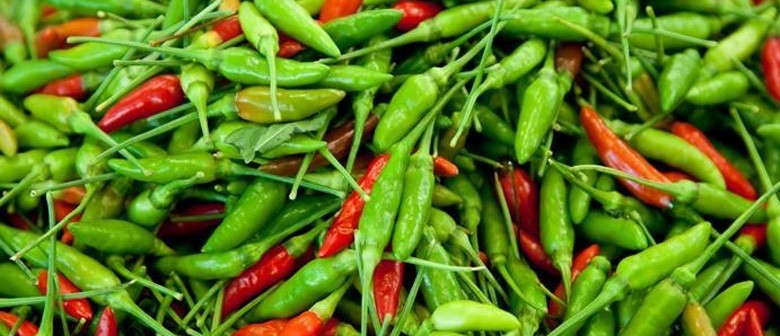
Chilli Heat Guide
If you love your food spicy and hot, then a chilli plant is a must have in the kitchen garden. The plants can be prolific vigorous producers provided they have a long, warm growing period. They love a sunny spot in the garden with well-drained soil and work well in pots too. The heat in the summer sun intensifies the flavour, so the more sun it gets the better! Chilli plants need a lot of watering to prevent them from drying out and regular feeding with Yates Thrive Natural Seaweed Tonic every two weeks to keep the plant healthy.
Varieties in store now:
- Asian Fire: Specialty Vietnamese red chilli which are great for hot and spicy Asian cuisine. Can be used in their green or red state.
- Black Olive: An ornamental chilli pepper which prefers warm conditions. The plants have an upright habit and mature from dark purple to black to red. The red fruit are a beautiful contrast against the dark purple foliage and bright purple flowers. Black olive is great for containers and grows to 50cm.
- Jalapeno: Originating in Mexico, the jalapeño chilli pepper is the most famous. Peppers are medium to large in size and are prized for their warm, burning sensation when eaten.
- Serrano: Easy to grow plants that will bear abundant fruit until frosts arrive. Popular in Texas and Southern US. Great for savoury hot pickles and sauces.
- Thai Hot: Great plants for planter boxes or containers and they can be grown indoors for all year round use. Excellent for chilli dishes, giving them a special tang with medium pungency.
- Tabasco: Made famous by the sauce of the same name. Firey, smokey flavour. Great for sauces, hot pickles and adding spice to stews.
The heat in chillis are measured in SHU’s or Scoville heat units. This gauges how much capsaicin is present in each chilli, which is what makes it spicy.
Check out our heat guide
